Service Areas
Roofers in Sussex County, DE
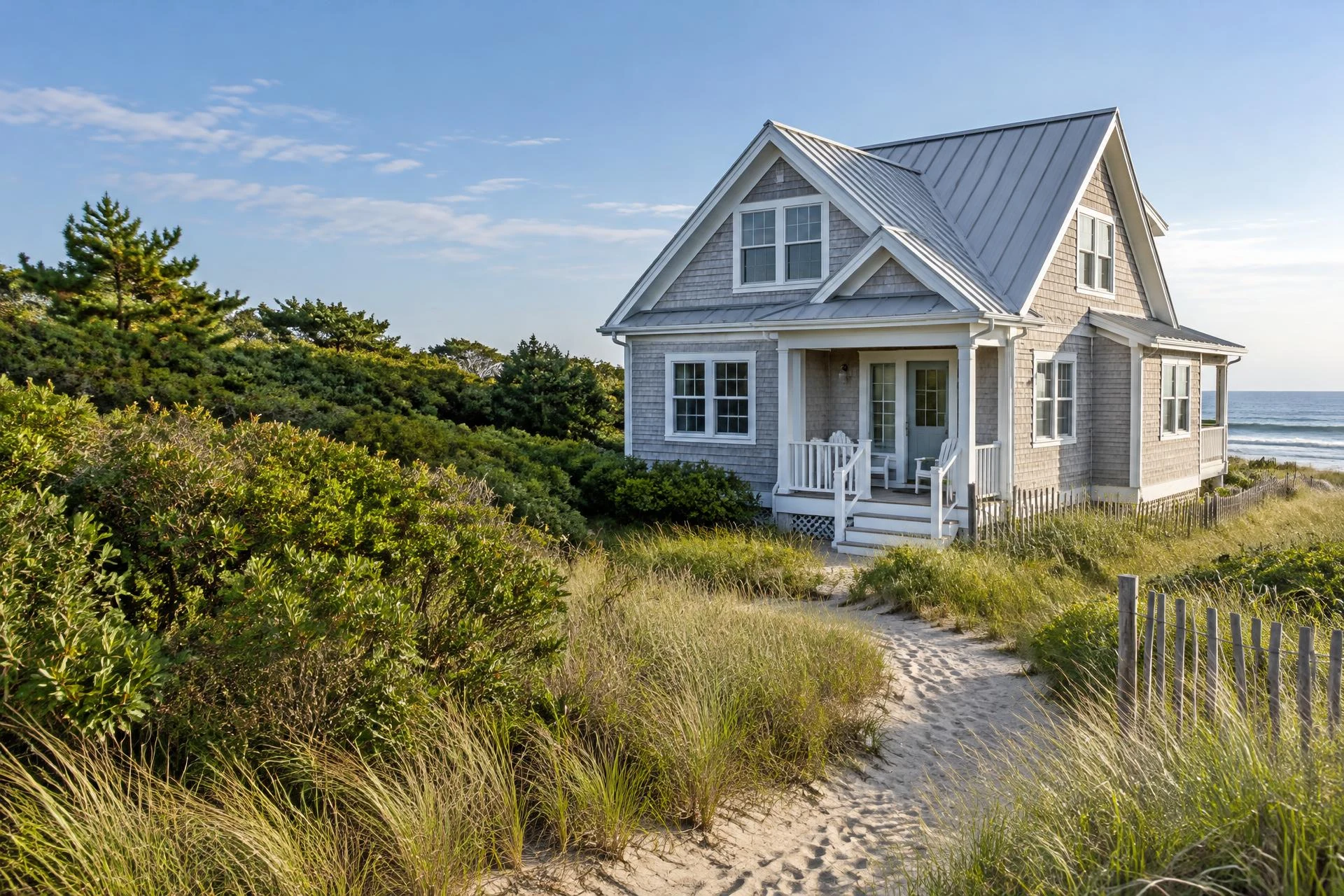
Sussex County includes coastal homes exposed to salt air and wind, inland neighborhoods, agricultural properties, and houses used mainly for seasonal visits.
- No-cost request
- Matched by ZIP code
- Across Delaware
01
Separate Coastal Exposure From Inland Conditions
Sussex County includes coastal homes exposed to salt air and wind, inland neighborhoods, agricultural properties, and houses used mainly for seasonal visits. Those differences matter when evaluating leaks, materials, maintenance, and replacement timing. A roof near Lewes, Rehoboth, or Bethany may face a different combination of conditions from one around Georgetown, Seaford, Millsboro, or Laurel. DE Roofing Pros offers a free referral to one independent licensed and insured roofer who can discuss your property. We are a SoleSource Pros referral service, not the contractor. Your request goes to one roofer and is never sold to multiple roofing companies.
Near the beaches, salt air and wind make material selection and connection details important topics for an inspection. Ask about the condition of flashing, fasteners, roof edges, and exposed metal components. A coastal address alone does not identify the right solution; the home's exact setting, roof design, surrounding shelter, and maintenance history all influence what deserves attention.
Inland Sussex County presents its own mix of roofing needs. Properties around Georgetown, Seaford, Millsboro, and Laurel may include shingled homes, detached workshops, or agricultural buildings with metal roofs. Tree cover, open fields, and building use can affect drainage and access. Describe the actual structure and surroundings so the assessment reflects your property rather than a beach-focused assumption.
02
Inspect Leaks With the Whole Roof in Mind
A roof leak can begin around a penetration, flashing transition, valley, or damaged covering and appear elsewhere inside the building. Record whether the problem follows wind-driven rain, a long storm, or any rainfall at all. If the home sits empty between visits, note the last time the interior was checked and whether dampness or staining has changed.
Request a clear distinction between observed damage and suspected causes. Where safe and accessible, an inspection may consider roof surfaces, drainage, flashing, and attic conditions. Photographs can help an off-site owner understand the findings. Ask what additional investigation is needed before accepting a proposal that treats a symptom without explaining how the proposed work addresses the likely entry point.
03
Evaluate Repair and Replacement Without Guesswork
A small, isolated defect can be a reasonable repair candidate when surrounding materials remain sound. Repeated leakage, widespread wear, or multiple failing details may make a replacement discussion more useful. Ask the roofer to explain both the benefit and limitations of the recommended option. A repair estimate should identify the area covered rather than imply the entire roof has been renewed.
A replacement proposal should address removal, underlayment, flashing, ventilation, edge details, and cleanup. For coastal properties, ask how selected components suit the exposure and how fastening will be handled for the proposed system. Do not accept a generic claim that a material is stormproof. Every roof requires correct installation, ongoing observation, and a realistic understanding of weather-related risks.
Ready for a roofing estimate?
Give your project location for a focused introduction to a roofer working nearby.
04
Plan Around Second Homes and Elevated Buildings
Seasonal ownership can complicate inspections and construction decisions. Establish who can provide access, where progress photos should be sent, and who may approve changes if hidden damage is found. Set expectations for communication before work starts. If you cannot be present, a written process for updates helps avoid uncertainty about the condition discovered and the next step proposed.
Elevated homes and buildings with limited ground space may require additional planning for ladders, equipment, material delivery, and debris handling. Discuss parking, landscaping, decks, stairs, and access beneath or around the structure. Ask how the site will be secured between workdays. These practical details belong in the project conversation early, rather than appearing as surprises after materials have arrived.
05
Prepare for Coastal and Inland Storm Seasons
Nor'easters, tropical remnants, and summer storms can affect both coastal and inland roofs. Before severe weather, ordinary maintenance should focus on keeping drainage paths clear and addressing known defects while access is safe. Afterward, look for displaced materials or new interior moisture from the ground and indoors. Avoid climbing onto a roof to investigate apparent damage yourself.
Document changes with dates and photographs, but let an inspection establish the likely cause and scope. A wind event may reveal an existing weakness rather than create every problem visible afterward. If temporary protection is needed, ask what it covers and how long it is intended to remain. Emergency measures and permanent repairs should be described separately so expectations stay clear.
06
Choose Clear Paperwork and a Direct Connection
Before authorizing construction, request a Delaware business license and current liability and workers' compensation insurance information. Check permit requirements with the applicable town or county office, and clarify who is responsible for approvals. A written agreement should explain materials, scope, payment arrangements, disposal, warranties, and the process for documenting additional work if concealed conditions change the original plan.
DE Roofing Pros makes the introduction without acting as your builder or project manager. The referral is free, goes to one independent licensed and insured roofer, and is never sold to multiple roofers. Discuss inspection arrangements and any service charges directly with that professional. You decide whether the proposed work, timing, and contract meet your needs before committing to a roofing project.
Questions
Frequently asked questions
Go deeper
Services available in Sussex County
Roof Repair
Find the cause of roof leaks and compare practical repair options for your Delaware home.
Learn moreRoof Replacement
Compare roof replacement options, installation details, and written estimates for your Delaware home.
Learn moreStorm Damage Roof Repair
Plan safe first steps, document storm damage, and arrange a roof assessment after severe Delaware weather.
Learn more
Explore
More to explore
County
Roofing services in Sussex County
County towns and other counties
Get started
Ready to get your project started?
Your Delaware project goes to one independent roofer, not a list of competing businesses.