Roofing
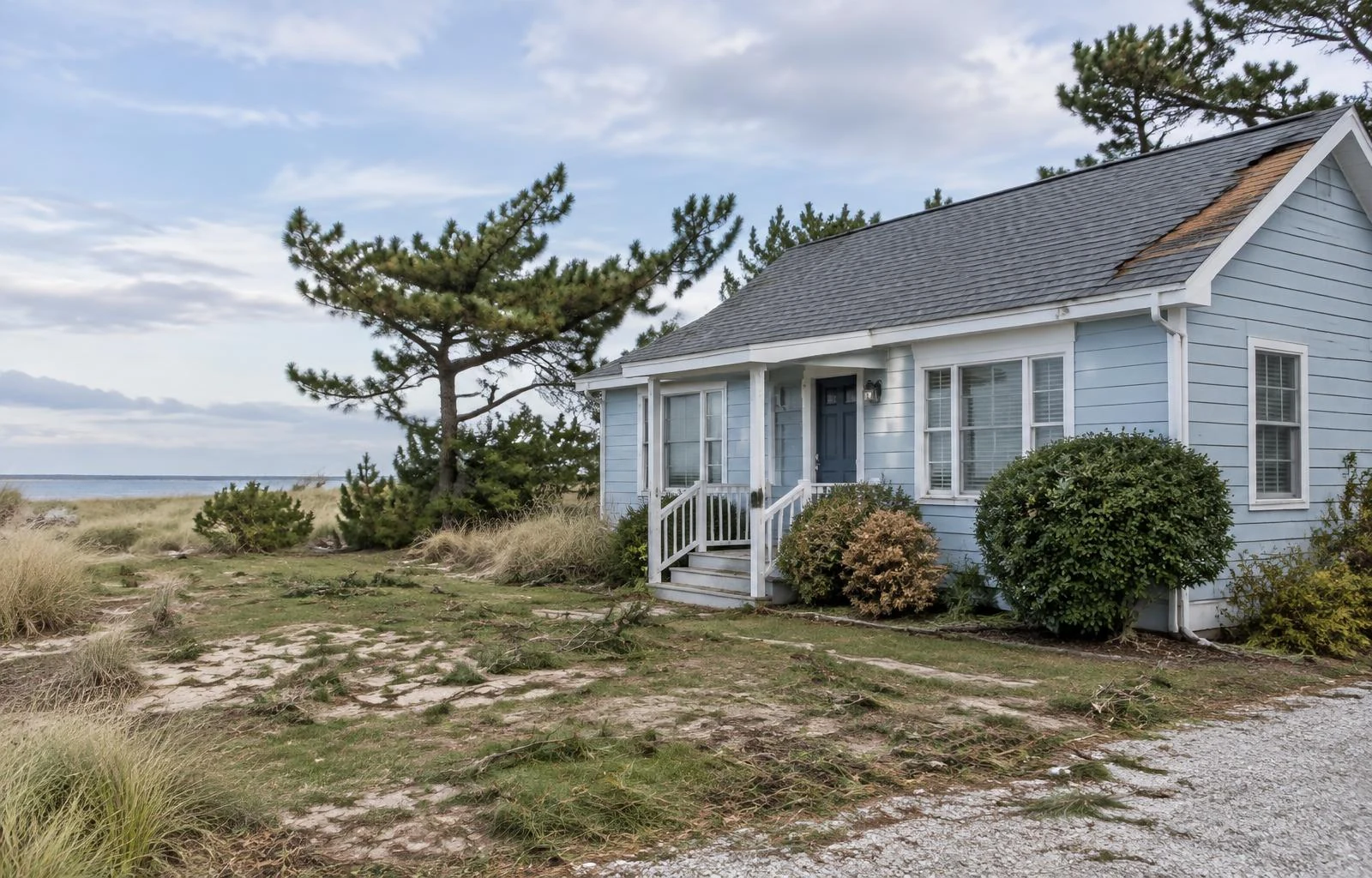
Storm Damage Roof Repair in Delaware
Delaware roofs can be damaged by nor'easters, tropical remnants, severe thunderstorms, and coastal wind.
- No-cost request
- Matched by ZIP code
- Across Delaware
01
What to Do in the First 24 Hours
Delaware roofs can be damaged by nor'easters, tropical remnants, severe thunderstorms, and coastal wind. The immediate priority is protecting people, followed by limiting additional water entry when that can be done safely. Missing shingles and fallen branches are obvious concerns, but damage around flashing and roof edges may be less visible. DE Roofing Pros provides a free SoleSource Pros referral to one independent licensed and insured roofer. It is not a contractor, does not handle claim decisions, and never sells your request to multiple roofing companies.
During the first 24 hours, stay clear of downed power lines, unstable trees, loose building materials, and rooms with sagging ceilings. Contact emergency services or the relevant utility when conditions present an immediate danger. Do not enter a damaged attic or climb a ladder during unsettled weather. From a safe indoor location, move valuables away from leaks and contain drips only where the ceiling remains stable.
Arrange a professional assessment as conditions permit and ask whether temporary weather protection is appropriate. Emergency tarping can reduce exposure, but it is not a permanent repair and cannot make an unsafe structure safe. Save receipts for reasonable protective work and damaged-property expenses. If you may file a claim, review your policy and contact your insurer promptly for instructions specific to your coverage.
02
Build a Useful Photo Checklist
Take photographs before cleanup when it is safe, then continue documenting changes and temporary protection. Wide views establish location, while closer images show individual conditions. Ground-level photographs are preferable to unsafe roof access. Do not move dangerous debris for a better image, and avoid discarding damaged materials until you have asked the insurer what documentation it needs.
- Photograph each accessible exterior elevation and visible roof slope.
- Record fallen limbs, displaced shingles, damaged gutters, and debris locations.
- Capture ceiling stains, wet walls, and affected belongings from safe positions.
- Keep dated images of temporary covering and subsequent contractor findings.
- Save invoices, inspection notes, and a brief timeline of observed events.
03
Understand the Insurance Process
The insurer decides whether damage is covered, what policy terms apply, and how a claim is valued. A roofer can document observed conditions and prepare a repair estimate, but cannot guarantee approval or promise that insurance will pay for a replacement. Coverage can depend on the cause of loss, exclusions, deductibles, and other policy provisions. Ask your insurer to explain any terms you do not understand.
A typical process includes reporting the loss, receiving claim instructions, documenting conditions, obtaining an inspection, and reviewing the insurer's determination. If the contractor finds additional concealed damage, ask how supporting photographs and revised estimates should be submitted. Keep communications organized. Do not assume the contractor's scope and the insurer's initial estimate will match, and resolve differences through the appropriate claim channels.
Ready for a roofing estimate?
Give your project location for a focused introduction to a roofer working nearby.
04
Evaluate the Whole Affected Roof Area
Wind may loosen shingles without removing them, while branches can damage decking below the visible covering. Inspections should consider edges, ridges, valleys, penetrations, and adjacent drainage components. Nor'easters can bring prolonged wind-driven rain; tropical remnants may combine heavy rainfall with gusts. Along the coast, exposure and fastening details deserve particular attention, but inland properties can also sustain substantial storm damage.
Repair recommendations should explain whether damage is confined to a small area or affects a broader assembly. Existing deterioration and storm-related damage may coexist, and they should not automatically be treated as the same condition. Ask the roofer to distinguish observations from conclusions about timing or cause. A careful report is more useful than a blanket statement that every worn component resulted from the latest storm.
05
Hire Carefully After Severe Weather
Before permanent work begins, request the contractor's Delaware business license and proof of liability and workers’ compensation insurance. Obtain a written contract covering repair scope, materials, payment stages, temporary protection, and change orders. Verify city or county permit requirements locally. Be cautious about pressure to sign immediately, unsupported promises about insurance payment, or requests to authorize a broad scope before damage has been evaluated.
Confirm who will perform the work and how questions will be handled if you are away from a Sussex second home. Ask about scheduling after regional storms, when demand and material availability can change quickly. The contract should separate emergency measures from permanent repairs and explain their respective limitations. Keep final photographs and completion records alongside your claim documents for future reference.
Questions
Frequently asked questions
Go deeper
Related roofing services
Emergency Roof Tarping
Arrange an assessment for temporary roof protection while permanent repair needs are evaluated.
Learn moreRoof Repair
Find the cause of roof leaks and compare practical repair options for your Delaware home.
Learn moreRoof Replacement
Compare roof replacement options, installation details, and written estimates for your Delaware home.
Learn moreGutter Replacement
Evaluate failing gutters, downspout layout, and replacement options for better roof runoff management.
Learn more
Explore
More to explore
Get started
Ready to get your project started?
Your Delaware project goes to one independent roofer, not a list of competing businesses.