Roofing
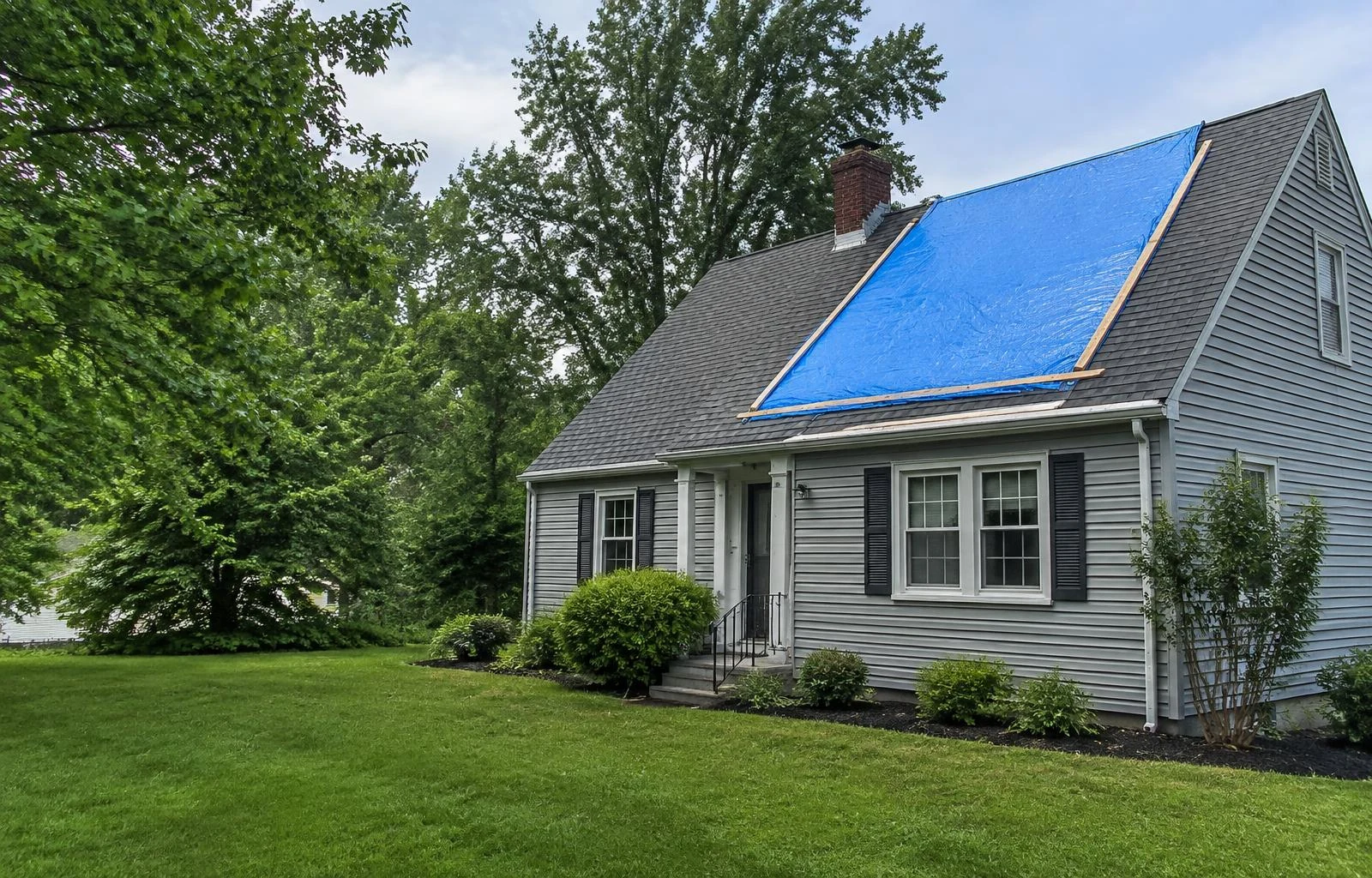
Emergency Roof Tarping in Delaware
An exposed roof can allow additional rain into insulation, ceilings, and living areas.
- No-cost request
- Matched by ZIP code
- Across Delaware
01
Put Safety Before Temporary Covering
An exposed roof can allow additional rain into insulation, ceilings, and living areas. Professional tarping may provide temporary protection while damage is assessed and permanent repairs are arranged. DE Roofing Pros is a free SoleSource Pros referral service, not a contractor or emergency response agency. Your request goes to one independent licensed and insured roofer and is never sold to multiple contractors. Availability and response time must be confirmed directly with the roofer.
Stay off damaged roofing and avoid ladders during wind, rain, or darkness. Keep clear of hanging branches, downed wires, and visibly sagging ceilings. If the building appears unstable or water is reaching electrical equipment, move to a safe location and contact the appropriate emergency service or utility.
A roofer must evaluate access and conditions before installing a covering. Tarping may need to wait until weather improves, and some damage requires structural attention rather than a temporary sheet alone.
02
Know What a Tarp Can and Cannot Do
A properly secured temporary covering can reduce direct rain entry, but it does not restore the roof assembly or guarantee a watertight interior. Wind, roof shape, damaged decking, and surrounding materials affect performance. Ask how the covering will be secured, monitored, and removed during permanent work.
Document visible damage from the ground or a safe indoor position. Keep photographs and receipts, and contact your insurer for claim instructions when appropriate. The insurer decides coverage; neither a tarp installation nor a contractor's estimate establishes that a loss will be paid.
Ready for a roofing estimate?
Give your project location for a focused introduction to a roofer working nearby.
03
Confirm the Scope Before Work Starts
Request a Delaware business license and proof of liability and workers’ compensation insurance. Get a written contract stating the temporary work, price, access needs, and limitations. Check any applicable city or county permit requirements locally rather than relying on an assumed statewide rule.
Ask who to contact if the covering loosens and when the roof can be assessed for permanent repair. Coastal properties and unoccupied second homes may need additional coordination for access and follow-up photographs.
Questions
Frequently asked questions
Go deeper
Related roofing services
Storm Damage Roof Repair
Plan safe first steps, document storm damage, and arrange a roof assessment after severe Delaware weather.
Learn moreRoof Repair
Find the cause of roof leaks and compare practical repair options for your Delaware home.
Learn moreRoof Replacement
Compare roof replacement options, installation details, and written estimates for your Delaware home.
Learn more
Explore
More to explore
Get started
Ready to get your project started?
Your Delaware project goes to one independent roofer, not a list of competing businesses.